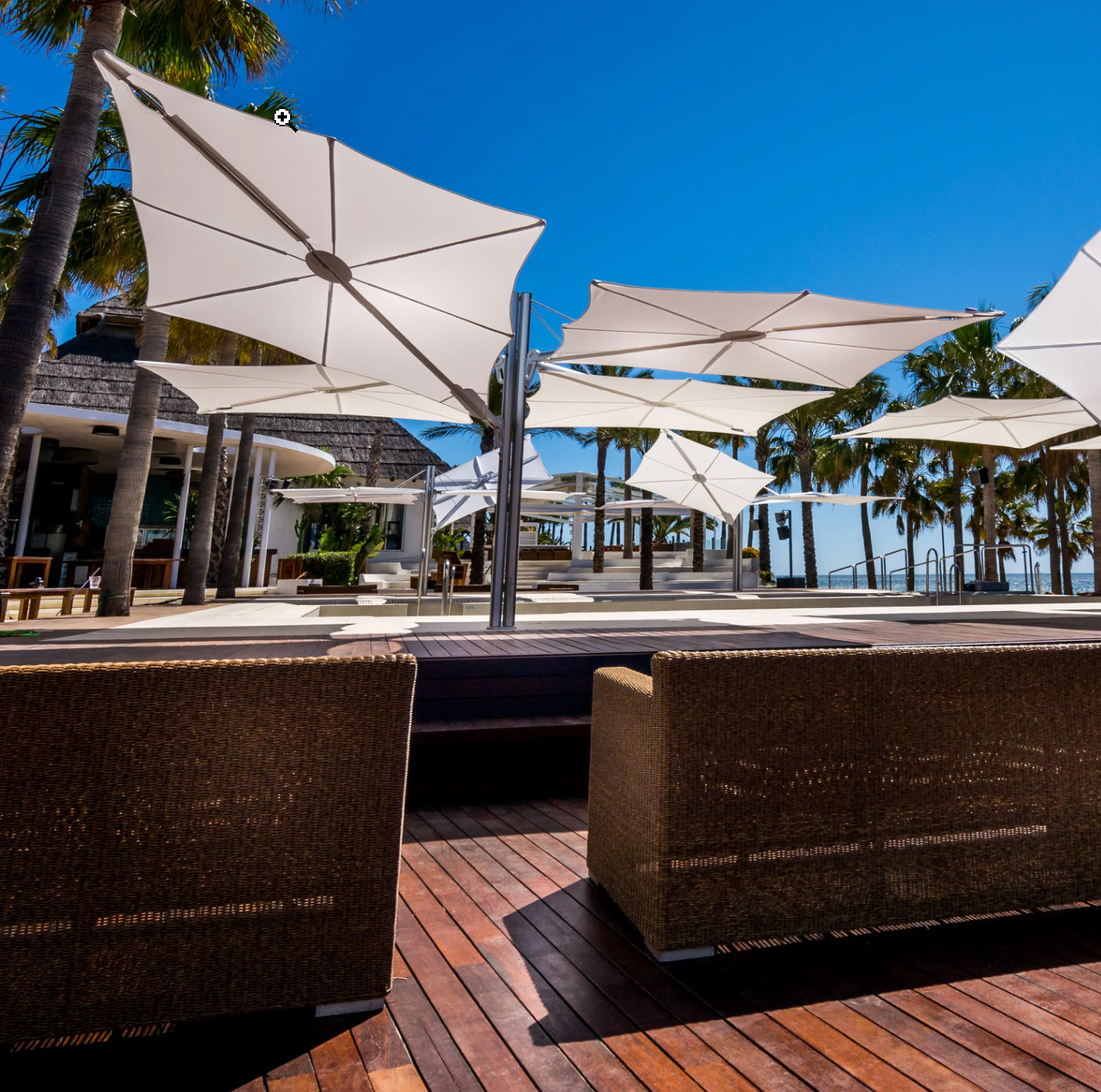
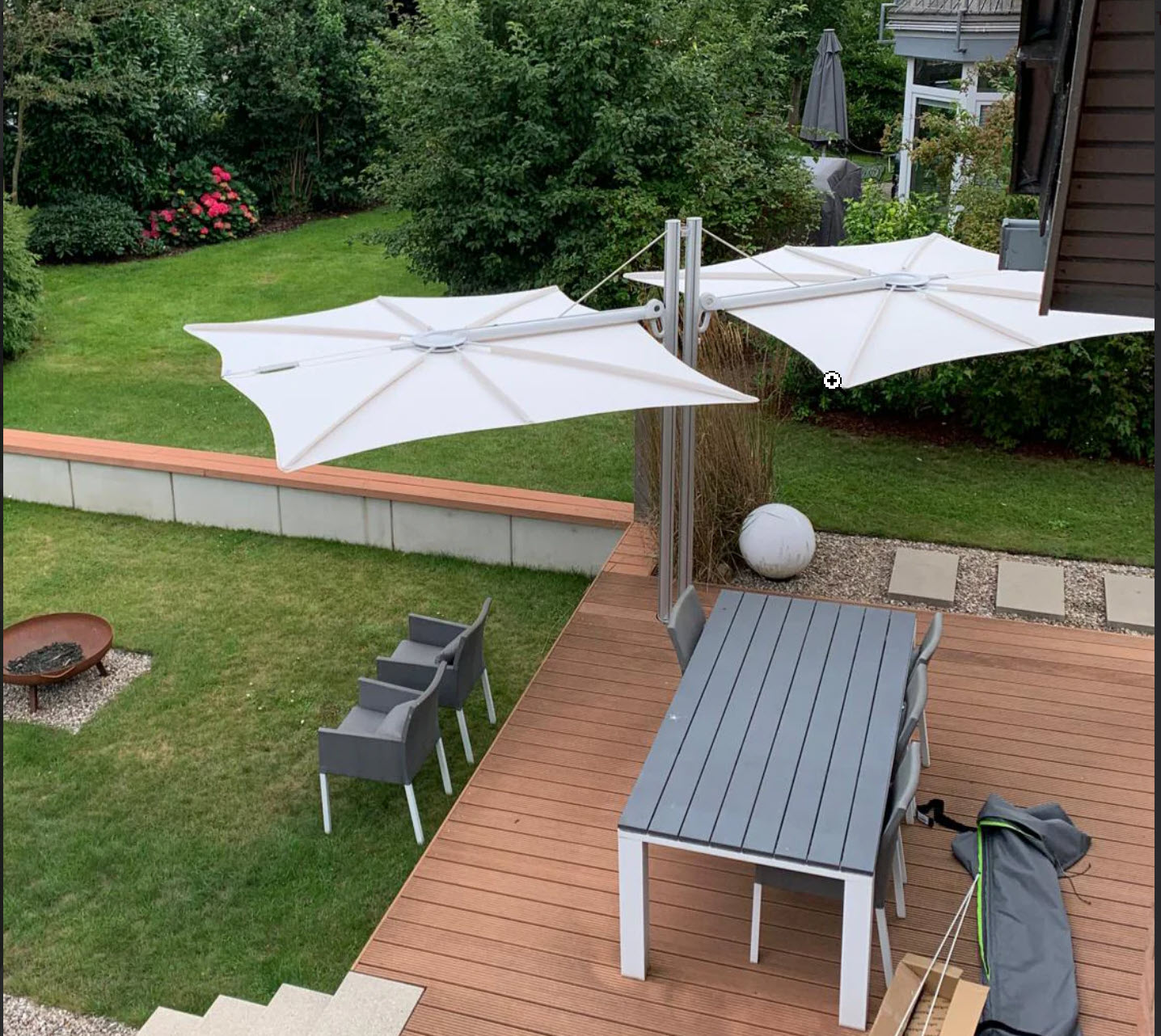
The canopy material – usually polyester, nylon, or acrylic fabric – is dining table cut into panels and sewn together. This fabric is then attached to the fiberglass frame, with reinforced points at high-stress areas. Quality umbrellas feature UV-resistant and waterproof treatments applied to the fabric to improve durability and functionality.
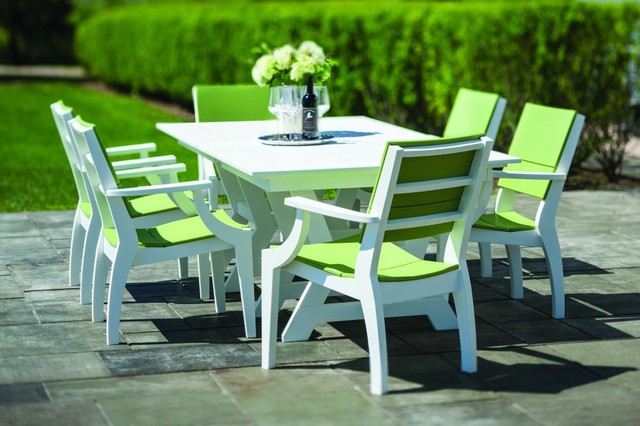
The portability of Aluminum Umbrellas cannot be overlooked. Libeccio Extension Table Designed with convenience in mind, these umbrellas often feature compact folding mechanisms that make them easy to store in bags or backpacks. This practicality encourages users to carry them regularly, ensuring they are always prepared for sudden changes in weather. The lightweight construction further contributes to this ease of transport, allowing users to navigate busy urban environments without feeling weighed down.
Size and shape should match your specific setting. Measure your outdoor space carefully, remembering that the umbrella should extend at least 2 feet beyond your seating area on all sides for effective shade. Round canopies provide even coverage, while square or rectangular shapes may better complement certain table shapes or architectural elements.

Rain protection dates back thousands of years, with early civilizations using palm leaves and oiled paper as basic shelters from the elements. The modern umbrella began to take shape in the 18th century, but the real transformation came with the introduction of new materials in the 20th century.
Community demographic patterns affect practical requirements. Associations with many families and children need more durable models that withstand enthusiastic use. Communities with older residents might prioritize ease of operation and lighter weight. Vacation-oriented properties might accept more complex storage requirements in exchange for premium features, while primary residence communities need solutions designed for regular weekend use.

Canopy material significantly impacts performance and longevity. Solution-dyed acrylic fabrics like Sunbrella offer superior UV protection and color retention for long-term outdoor use. The canopy should include double stitching at stress points and reinforced corners where it attaches to the dining table frame.
Energy efficiency benefits can be substantial when umbrellas are properly deployed. By providing natural cooling through shade, restaurants can reduce reliance on energy-intensive cooling systems while maintaining guest comfort. Some establishments report significant reductions in air conditioning costs for adjacent indoor spaces when outdoor dining areas feature proper shade coverage that blocks dining table heat transfer through windows and doors.